
Tuesday, November 29, 2011

Tuesday, November 22, 2011
Revisiting the Kennedy Assassination: Frank Rich and the Paranoid Style
REF: James Piereson
This guy is quite the conservative..... kinda anti = me!! the liberal!!!
There is an old saying in politics that "They don't scream unless you hurt them." When your adversaries scream, it is a good sign that your measures have been effective. Judged by this standard, the Koch Brothers (David and Charles) have been very effective in recent years in advancing their causes of limited government and classical liberalism, much to the discomfort of liberal foes promoting business regulation, higher taxes, and ObamaCare.
Revisiting the Kennedy Assassination: Frank Rich and the Paranoid Style
By James Piereson
This guy is quite the conservative..... kinda anti = me!! the liberal!!!
There is an old saying in politics that "They don't scream unless you hurt them." When your adversaries scream, it is a good sign that your measures have been effective. Judged by this standard, the Koch Brothers (David and Charles) have been very effective in recent years in advancing their causes of limited government and classical liberalism, much to the discomfort of liberal foes promoting business regulation, higher taxes, and ObamaCare.
The Koch brothers have been on the receiving end of non-stop attacks from liberal journalists and academics ever since Jane Mayer published a hit piece on them last year in The New Yorker purporting to show that their contributions were behind the rise of the “Tea Party” movement. This wildly exaggerated claim was meant to cast the Koch brothers as great villains, but villains possessed of a satanic combination of power and tactical brilliance. In a predictable course, Mayer’s fairy tale was circulated by the columnists and editorial writers of the New York Times and from there through a network of second-level columnists and political magazines until at length it came to the attention of the credulous foot soldiers of the liberal-left who have kept the pot boiling in recent months with ever more inventive and exaggerated versions of the original lie
Revisiting the Kennedy Assassination: Frank Rich and the Paranoid Style
By James Piereson
It has now been 48 years since President John F. Kennedy was cut down on the streets of Dallas by rifle shots fired by Lee Harvey Oswald, a self-described Marxist, recent defector to the Soviet Union, and ardent admirer of Fidel Castro. The evidence condemning Oswald was overwhelming: the bullets that killed President Kennedy were fired from his rifle, the rifle was found on the sixth floor of the warehouse where he worked and were he was seen moments before the shooting, and witnesses on the street described a man firing shots from that location. When a policeman stopped Oswald on foot to question him about the assassination, Oswald pulled out a pistol and shot him before fleeing to a nearby movie theater where he was arrested, still carrying the pistol with which he had killed the policeman. Two days later Oswald was himself assassinated while in police custody by a night club owner distraught over Kennedy's death. For understandable reasons, these events had a disorienting effect on the public mind.
For many who came of age during that era and were taken with Kennedy's style and idealistic rhetoric, his very public murder, recorded in amateur films and news photos, was a shock that they could never quite get over. Returning to it again and again as the years passed, they could not help but feel that the disasters that followed -- the war in Vietnam, the urban riots, the assassinations of Robert Kennedy and Martin Luther King, Nixon's election -- were somehow connected to that irrational act of violence that claimed President Kennedy's life. If somehow the act could be undone or understood, or blame for it fairly apportioned and punishment meted out, then the world might again be set right, or at least partly so. But it could not be undone, and it proved nearly as difficult to understand or explain, at least in terms satisfactory to the assumptions of the age. And so before long the JFK assassination came to be encrusted in layers of myth, illusion, and disinformation strong enough to deflect every attempt to understand it from a rational point of view.
For many who came of age during that era and were taken with Kennedy's style and idealistic rhetoric, his very public murder, recorded in amateur films and news photos, was a shock that they could never quite get over. Returning to it again and again as the years passed, they could not help but feel that the disasters that followed -- the war in Vietnam, the urban riots, the assassinations of Robert Kennedy and Martin Luther King, Nixon's election -- were somehow connected to that irrational act of violence that claimed President Kennedy's life. If somehow the act could be undone or understood, or blame for it fairly apportioned and punishment meted out, then the world might again be set right, or at least partly so. But it could not be undone, and it proved nearly as difficult to understand or explain, at least in terms satisfactory to the assumptions of the age. And so before long the JFK assassination came to be encrusted in layers of myth, illusion, and disinformation strong enough to deflect every attempt to understand it from a rational point of view.
The central myth of the JFK assassination was that a climate of hate inspired by the far right created the conditions for President Kennedy's murder. A single assassin may have pulled the trigger, but he was put up to it by an undercurrent of hatred and bigotry that President Kennedy tried but failed to subdue. On this view President Kennedy was a martyr, somewhat like Abraham Lincoln, to the causes of civil rights, racial justice, and an elevated liberalism. JFK's assassination was a tragic but richly symbolic event for many Americans who saw it as a vivid expression of an ongoing battle in American life between the forces of light and darkness.
This explanation for the assassination did not drop out of thin air but was circulated immediately after the event by influential leaders, journalists, and journalistic outlets, including Mrs. Kennedy, President Johnson, Chief Justice Earl Warren, Senate Majority Leader Mike Mansfield, James Reston, Russell Baker, and the editorial page of the New York Times, columnist Drew Pearson, and any number of other liberal spokesmen. Mrs. Kennedy took the lead in insisting that her husband was martyred by agents of hatred and bigotry. Within days of the assassination, she elaborated the symbolism of Camelot and King Arthur's court to frame the Kennedy presidency as a special and near-magical enterprise guided by the highest ideals. The eternal flame she placed on his grave site invokes King Arthur's candle in the wind as imagined by T. H. White in his Arthurian novel, The Once and Future King, later the basis of a Broadway musical that was popular during the Kennedy years.
These were the myths, illusions, and outright fabrications in which the Kennedy assassination came to be encrusted. Despite all evidence to the contrary, they are still widely believed. In fact, the Kennedy legend, incorporating the myths about his assassination, is closely intertwined with the history of modern liberalism: JFK has come to represent a liberal ideal and his assassination the threat posed to it by the forces of the far right.
It is hard to fathom, in this age of secular rationality, that so many people can believe a tale so obviously contradicted by the facts. President Kennedy, to the extent he was a martyr at all, was a martyr in the Cold War struggle against communism. Oswald was not in any way, shape, or form a product of a "climate of hate" as found in Dallas or anywhere else in the United States. Nor was Oswald a bigot; he supported the civil rights movement and attended meetings in Dallas of the American Civil Liberties Union. Seven months before he shot President Kennedy, in April, 1963, he took a shot (and missed) at retired Gen. Edwin Walker, the head of the Dallas chapter of the John Birch Society. He married a Russian woman, and longed to return to the Soviet Union. In the months leading up to the assassination, he was active in a front group supporting Fidel Castro's regime in Cuba. Two months before the assassination, he travelled to Mexico City to visit the Soviet and Cuban embassies in pursuit of a visa that would allow him to travel to Cuba. In one of those visits he threatened the life of President Kennedy. His motives in shooting President Kennedy were undoubtedly linked to a wish to protect Castro against efforts by the Kennedy administration to overturn his government. It was not publicly known in 1963 that the Kennedy administration (in an expression of hard-headed real politik) was trying to assassinate Castro. But it is possible that Oswald was aware of these clandestine plans.
In the latest effort to recycle the Camelot myths, Frank Rich has published a delusional article in New York Magazine under the title, "What Killed JFK: The Hate That Ended His Presidency is Eerily Familiar" in which he draws a straight line from Kennedy's assassination to imagined threats against President Obama arising from conservatives and the tea party movement.
The occasion for Mr. Rich's ruminations is a review of several recently published books about President Kennedy and the assassination, including one by Stephen King in which the novelest dispatches a time traveller on a mission to intercept Oswald before he can commit his deed so that history might be redirected on a more hopeful path. Mr. King, however is a writer of fiction and thus entitled to invent his facts. Mr. Rich, as a journalist, does not have the same license.
Mr. Rich's depiction of "the right" as a menace and a public danger is not that far removed from the portrayal of communism as a threat to the republic among the followers of Sen. Joseph McCarthy. In keeping to this script, Mr. Rich invents a series of "facts" about the Kennedy assassination and then lists them in an indicment of conservatives as parties to the crime. It is a near textbook application of the paranoid style.
This explanation for the assassination did not drop out of thin air but was circulated immediately after the event by influential leaders, journalists, and journalistic outlets, including Mrs. Kennedy, President Johnson, Chief Justice Earl Warren, Senate Majority Leader Mike Mansfield, James Reston, Russell Baker, and the editorial page of the New York Times, columnist Drew Pearson, and any number of other liberal spokesmen. Mrs. Kennedy took the lead in insisting that her husband was martyred by agents of hatred and bigotry. Within days of the assassination, she elaborated the symbolism of Camelot and King Arthur's court to frame the Kennedy presidency as a special and near-magical enterprise guided by the highest ideals. The eternal flame she placed on his grave site invokes King Arthur's candle in the wind as imagined by T. H. White in his Arthurian novel, The Once and Future King, later the basis of a Broadway musical that was popular during the Kennedy years.
These were the myths, illusions, and outright fabrications in which the Kennedy assassination came to be encrusted. Despite all evidence to the contrary, they are still widely believed. In fact, the Kennedy legend, incorporating the myths about his assassination, is closely intertwined with the history of modern liberalism: JFK has come to represent a liberal ideal and his assassination the threat posed to it by the forces of the far right.
It is hard to fathom, in this age of secular rationality, that so many people can believe a tale so obviously contradicted by the facts. President Kennedy, to the extent he was a martyr at all, was a martyr in the Cold War struggle against communism. Oswald was not in any way, shape, or form a product of a "climate of hate" as found in Dallas or anywhere else in the United States. Nor was Oswald a bigot; he supported the civil rights movement and attended meetings in Dallas of the American Civil Liberties Union. Seven months before he shot President Kennedy, in April, 1963, he took a shot (and missed) at retired Gen. Edwin Walker, the head of the Dallas chapter of the John Birch Society. He married a Russian woman, and longed to return to the Soviet Union. In the months leading up to the assassination, he was active in a front group supporting Fidel Castro's regime in Cuba. Two months before the assassination, he travelled to Mexico City to visit the Soviet and Cuban embassies in pursuit of a visa that would allow him to travel to Cuba. In one of those visits he threatened the life of President Kennedy. His motives in shooting President Kennedy were undoubtedly linked to a wish to protect Castro against efforts by the Kennedy administration to overturn his government. It was not publicly known in 1963 that the Kennedy administration (in an expression of hard-headed real politik) was trying to assassinate Castro. But it is possible that Oswald was aware of these clandestine plans.
In the latest effort to recycle the Camelot myths, Frank Rich has published a delusional article in New York Magazine under the title, "What Killed JFK: The Hate That Ended His Presidency is Eerily Familiar" in which he draws a straight line from Kennedy's assassination to imagined threats against President Obama arising from conservatives and the tea party movement.
The occasion for Mr. Rich's ruminations is a review of several recently published books about President Kennedy and the assassination, including one by Stephen King in which the novelest dispatches a time traveller on a mission to intercept Oswald before he can commit his deed so that history might be redirected on a more hopeful path. Mr. King, however is a writer of fiction and thus entitled to invent his facts. Mr. Rich, as a journalist, does not have the same license.
Mr. Rich's depiction of "the right" as a menace and a public danger is not that far removed from the portrayal of communism as a threat to the republic among the followers of Sen. Joseph McCarthy. In keeping to this script, Mr. Rich invents a series of "facts" about the Kennedy assassination and then lists them in an indicment of conservatives as parties to the crime. It is a near textbook application of the paranoid style.
The Day Lives on..... Infamous
I'm of the generation that never forgets the meaning of 11-22 in Dallas Texas that JFK was killed.
 eks. Mrs. Kennedy would accompany him on the swing through Texas, which would be her first extended public appearance since the loss of their baby, Patrick, in August. On
  November 21, the president and first lady departed on Air Force One for the two-day, five-city tour of Texas.
President Kennedy was aware that a feud among party leaders in Texas could jeopardize his chances of carrying the state in 1964, and one of his aims for the trip was to bring Democrats together. He also knew that a relatively small but vocal group of extremists was contributing to the political tensions in Texas and would likely make its presence felt—particularly in Dallas, where U.S. Ambassador to the United Nations Adlai Stevenson had been physically attacked a month earlier after making a speech there. Nonetheless, JFK seemed to relish the prospect of leaving Washington, getting out among the people and into the political fray.
The first stop was San Antonio. Vice President Lyndon B. Johnson, Governor John B. Connally, and Senator Ralph W. Yarborough led the welcoming party. They accompanied the president to Brooks Air Force Base for the dedication of the Aerospace Medical Health Center. Continuing on to Houston, he addressed a Latin American citizens' organization and spoke at a testimonial dinner for Congressman Albert Thomas before ending the day in Fort Worth.
The presidential party left the hotel and went by motorcade to Carswell Air Force Base for the thirteen-minute flight to Dallas. Arriving at Love Field, President and Mrs. Kennedy disembarked and immediately walked toward a fence where a crowd of well-wishers had gathered, and they spent several minutes shaking hands.
The first lady received a bouquet of red roses, which she brought with her to the waiting limousine. Governor John Connally and his wife, Nellie, were already seated in the open convertible as the Kennedys entered and sat behind them. Since it was no longer raining, the plastic bubble top had been left off. Vice President and Mrs. Johnson occupied another car in the motorcade.
Crowds of excited people lined the streets and waved to the Kennedys. The car turned off Main Street at Dealey Plaza around 12:30 p.m. As it was passing the Texas School Book Depository, gunfire suddenly reverberated in the plaza.
Bullets struck the president's neck and head and he slumped over toward Mrs. Kennedy. The governor was also hit in the chest.

The car sped off to Parkland Memorial Hospital just a few minutes away. But little could be done for the President. A Catholic priest was summoned to administer the last rites, and at 1:00 p.m. John F. Kennedy was pronounced dead. Though seriously wounded, Governor Connally would recover.
The president's body was brought to Love Field and placed on Air Force One. Before the plane took off, a grim-faced Lyndon B. Johnson stood in the tight, crowded compartment and took the oath of office, administered by U.S. District Court Judge Sarah Hughes. The brief ceremony took place at 2:38 p.m.
Less than an hour earlier, police had arrested Lee Harvey Oswald, a recently hired employee at the Texas School Book Depository. He was being held for the assassination of President Kennedy and the fatal shooting, shortly afterward, of Patrolman J. D. Tippit on a Dallas street.
On Sunday morning, November 24, Oswald was scheduled to be transferred from police headquarters to the county jail. Viewers across America watching the live television coverage suddenly saw a man aim a pistol and fire at point blank range. The assailant was identified as Jack Ruby, a local nightclub owner. Oswald died two hours later at Parkland Hospital.
On Monday, November 25, 1963 President Kennedy was laid to rest in Arlington National Cemetery. The funeral was attended by heads of state and representatives from more than 100 countries, with untold millions more watching on television. Afterward, at the grave site, Mrs. Kennedy and her husband's brothers, Robert and Edward, lit an eternal flame.
Perhaps the most indelible images of the day were the salute to his father given by little John F. Kennedy, Jr. (whose third birthday it was), daughter Caroline kneeling next to her mother at the president's bier, and the extraordinary grace and dignity shown by Jacqueline Kennedy.
Shortly after noon on November 22, 1963, President John F. Kennedy was assassinated as he rode in a motorcade through Dealey Plaza in downtown Dallas, Texas.
JFK stressed the importance of winning Florida and Texas and talked about his plans to visit both states in the next two we
eks. Mrs. Kennedy would accompany him on the swing through Texas, which would be her first extended public appearance since the loss of their baby, Patrick, in August. On November 21, the president and first lady departed on Air Force One for the two-day, five-city tour of Texas. President Kennedy was aware that a feud among party leaders in Texas could jeopardize his chances of carrying the state in 1964, and one of his aims for the trip was to bring Democrats together. He also knew that a relatively small but vocal group of extremists was contributing to the political tensions in Texas and would likely make its presence felt—particularly in Dallas, where U.S. Ambassador to the United Nations Adlai Stevenson had been physically attacked a month earlier after making a speech there. Nonetheless, JFK seemed to relish the prospect of leaving Washington, getting out among the people and into the political fray.
The first stop was San Antonio. Vice President Lyndon B. Johnson, Governor John B. Connally, and Senator Ralph W. Yarborough led the welcoming party. They accompanied the president to Brooks Air Force Base for the dedication of the Aerospace Medical Health Center. Continuing on to Houston, he addressed a Latin American citizens' organization and spoke at a testimonial dinner for Congressman Albert Thomas before ending the day in Fort Worth.
On to Dallas
The presidential party left the hotel
and went by motorcade to Carswell Air Force Base for the thirteen-minute flight to Dallas. Arriving at Love Field, President and Mrs. Kennedy disembarked and immediately walked toward a fence where a crowd of well-wishers had gathered, and they spent several minutes shaking hands. The first lady received a bouquet of red roses, which she brought with her to the waiting limousine. Governor John Connally and his wife, Nellie, were already seated in the open convertible as the Kennedys entered and sat behind them. Since it was no longer raining, the plastic bubble top had been left off. Vice President and Mrs. Johnson occupied another car in the motorcade.
The Assassination
Crowds of excited people lined the streets and waved to the Kennedys. The car turned off Main Street at Dealey Plaza around 12:30 p.m. As it was passing the Texas School Book Depository, gunfire suddenly reverberated in the plaza.
Bullets struck the president's neck and head and he slumped over toward Mrs. Kennedy. The governor was also hit in the chest.
The car sped off to Parkland Memorial Hospital just a few minutes away. But little could be done for the President. A Catholic priest was summoned to administer the last rites, and at 1:00 p.m. John F. Kennedy was pronounced dead. Though seriously wounded, Governor Connally would recover.
The president's body was brought to Love Field and placed on Air Force One. Before the plane took off, a grim-faced Lyndon B. Johnson stood in the tight, crowded compartment and took the oath of office, administered by U.S. District Court Judge Sarah Hughes. The brief ceremony took place at 2:38 p.m.
Less than an hour earlier, police had arrested Lee Harvey Oswald, a recently hired employee at the Texas School Book Depository. He was being held for the assassination of President Kennedy and the fatal shooting, shortly afterward, of Patrolman J. D. Tippit on a Dallas street.
On Sunday morning, November 24, Oswald was scheduled to be transferred from police headquarters to the county jail. Viewers across America watching the live television coverage suddenly saw a man aim a pistol and fire at point blank range. The assailant was identified as Jack Ruby, a local nightclub owner. Oswald died two hours later at Parkland Hospital.
On Monday, November 25, 1963 President Kennedy was laid to rest in Arlington National Cemetery. The funeral was attended by heads of state and representatives from more than 100 countries, with untold millions more watching on television. Afterward, at the grave site, Mrs. Kennedy and her husband's brothers, Robert and Edward, lit an eternal flame.
Perhaps the most indelible images of the day were the salute to his father given by little John F. Kennedy, Jr. (whose third birthday it was), daughter Caroline kneeling next to her mother at the president's bier, and the extraordinary grace and dignity shown by Jacqueline Kennedy.
Wednesday, November 16, 2011
Tuesday, November 15, 2011
Tuesday, October 25, 2011
New University of Okla. College of Law
New U. of Okla. College of Law hall of fame's first 4 inductees include first black graduate
Four chosen to OU law college hall of fame
By Associated Press
Published: 10/5/2011 10:30 AM
NORMAN — The first black to attend and to graduate from the University of Oklahoma College of Law is among the first four lawyers chosen for induction into OU's newly created hall of fame.
The late Ada Lois Sipuel Fisher will be inducted into the Order of the Owl with former American Bar Association President William Paul and OU College of Law Board of Visitors co-chairmen W. DeVier Pierson and William Ross.

The university said Wednesday that the induction ceremony will be Nov. 8. 2011
Fisher was denied admission at OU in 1946 because of a state law prohibiting blacks and whites from attending classes together. She was eventually admitted after a legal challenge that reached the U.S. Supreme Court and graduated in 1951. She died in 1995.
Four chosen to OU law college hall of fame
By Associated Press
Published: 10/5/2011 10:30 AM
NORMAN — The first black to attend and to graduate from the University of Oklahoma College of Law is among the first four lawyers chosen for induction into OU's newly created hall of fame.
The late Ada Lois Sipuel Fisher will be inducted into the Order of the Owl with former American Bar Association President William Paul and OU College of Law Board of Visitors co-chairmen W. DeVier Pierson and William Ross.

The university said Wednesday that the induction ceremony will be Nov. 8. 2011
Fisher was denied admission at OU in 1946 because of a state law prohibiting blacks and whites from attending classes together. She was eventually admitted after a legal challenge that reached the U.S. Supreme Court and graduated in 1951. She died in 1995.
Monday, October 24, 2011
Steve Jobs died two weeks ago...
-- "Steve Jobs" (Simon & Schuster), by Walter Isaacson: "Steve Jobs" takes off the rose-colored glasses that often follow an icon's untimely death and instead offers something far more valuable: The chronicle of a complex, brash genius who was crazy enough to think he could change the world – and did.
He was...just a man.....


Libya's revolt erupted in February as part of anti-government protests spreading across the Middle East. Islamist groups stand to gain ground in neighboring Tunisia and Egypt, which shook off their dictators several months ago. Tunisia has taken the biggest steps so far on the path to democracy, voting Sunday for a new assembly, while Egypt's parliamentary election is set for next month.
Libya's struggle has been the bloodiest so far in the region. Mass protests quickly turned into a civil war that killed thousands and paralyzed the country. Gadhafi loyalists held out for two more months after the fall of the capital of Tripoli in late August. Gadhafi's hometown of Sirte fell last week, but Gadhafi's son and one-time heir apparent, Seif al-Islam, apparently escaped with some of his supporters.
The anti-Gadhafi forces enjoyed strong Western political and military support during their revolt, especially from the U.S., Britain and France, and NATO airstrikes were key to their victory.
Abdul-Jalil paid tribute to the Gulf Cooperation Council, a six-nation alliance led by Saudi Arabia, the Arab League and the European Union. NATO performed its task with "efficiency and professionalism," he said.
President Barack Obama congratulated Libyans on the declaration.


"After four decades of brutal dictatorship and eight months of deadly conflict, the Libyan people can now celebrate their freedom and the beginning of a new era of promise," he said
Libyan dictator Moammar Gadhafi dies
TRIPOLI, Libya — An autopsy confirmed that Libyan dictator Moammar Gadhafi died from a gunshot to the head, the country's chief pathologist said Sunday, just hours before Libya's new leaders were to declare liberation and a formal end to an eight-month civil war to topple the longtime ruler's regime.
The declaration starts the clock on a transition to democracy that is fraught with uncertainty and could take up to two years.
The 69-year-old was captured wounded, but alive Thursday in his hometown of Sirte as it became the last city to fall to revolutionary forces. Bloody images of Gadhafi being taunted and beaten by his captors have raised questions about whether he was killed in crossfire as suggested by government officials or deliberately executed.

After Gadhafi's demise, biggest killers of Americans now are dead
A man reacts while viewing the bodies of Libyan dictator Moammar Gadhafi, background, his ex-defense minister Abu Bakr Younis and his son, Muatassim Gadhafi, foreground, in a commercial freezer at a shopping center in Misrata, Libya, Saturday, Oct. 22, 2011.
The circumstances of Gadhafi's death remain unclear. In any case, critics said the gruesome spectacle of his blood-streaked body laid out as a trophy for a third day of public viewing in a commercial freezer tests the new leadership's commitment to the rule of law.
By Robert Windrem, NBC News' senior investigative producer
Since May 1, U.S. intelligence and special operations forces, or foreign forces working with U.S. intelligence and special operations forces, have killed the leading terrorists who targeted and killed more Americans than any others in the past 25 years.
Not only did the U.S. kill Osama Bin Laden on May 1, but also took out — "removed from the battlefield" — three of the jihadists they had identified as potential successors to bin Laden in the hours after the attack. Also, Somali forces loyal to the U.S. killed the mastermind of al-Qaida's East Africa embassy bombings. With 224 killed, 12 of them Americans, the attacks in Nairobi and Dar es Salaam were the group's deadliest attack before 9-11.
As for Moammar Gadhafi, it was his intelligence service that has been strongly linked to the attack on PanAm 103 in December 1988, which until September 11 was the single worst terrorist attack directed against the U.S., killing 269 people. (Gadhafi was also believed responsible for the deaths of 171 people on UTA 772 over the Congo.)
Here is the chronology:
May 1: Osama Bin Laden was killed by U.S. Special Forces in Abbottabad, Pakistan.
June 3: Ilyas Kashmiri, senior al-Qaida member and one of the five potential successors to al-Qaida leadership, is killed by a drone attack in Ghwakhwa area of South Waziristan, Pakistan.
June 8: Fazul Abdullah Mohammed, al-Qaida leader in East Africa and the mastermind of the East Africa embassy bombings was shot dead by Somali forces at a checkpoint in the capital. He was identified by a wanted poster provided by the U.S. military.
August 22: Attiyah Abd al-Rahman, newly minted No. 2 in al-Qaida, is killed by drone attack in North Waziristan. Attiyah was also seen by the CIA as potential successor to bin Laden and had served as bin Laden's "chief of staff" prior to the May 1 attack.
September 30: Anwar al-Awlaki, operational leader in al-Qaida in the Arabian Peninsula, is killed by drone attack in Yemen's al-Jawf province. He, too, had been identified as a potential successor to bin Laden.
October 20: Moammar Gadhafi, Libya’s leader for 42 years, was killed in a gun fight by Libyan rebels near Sirte.
U.S. officials remain confident that they are going to find and kill bin Laden’s successor, Ayman al-Zawahiri. Zawahiri himself admits he’s been targeted at least five times.
(Historical footnote: The Marine Barracks bombing in 1983 killed 241 U.S. servicemen and the East Africa embassy bombing and was until the Pan Am 103 bombing the single worst terrorist attack on the United States. It was the handiwork of Imad Mugniyah, who was killed in February 2008 in Damascus, Syria, by a bomb hidden in the headrest of a car. As he walked past the car, the bomb was detonated. It was believed to be the handiwork of a joint U.S.-Israeli operation.)
The joyful ceremony formally marking the end of Moammar Gadhafi's 42-year tyranny was also clouded by mounting pressure from the leaders of the NATO campaign that helped secure victory to investigate whether Gadhafi, dragged wounded but alive out of a drainage ditch last week, was then executed by his captors.
The circumstances of Gadhafi's death remain unclear. In any case, critics said the gruesome spectacle of his blood-streaked body laid out as a trophy for a third day of public viewing in a commercial freezer tests the new leadership's commitment to the rule of law.
By Robert Windrem, NBC News' senior investigative producer
Since May 1, U.S. intelligence and special operations forces, or foreign forces working with U.S. intelligence and special operations forces, have killed the leading terrorists who targeted and killed more Americans than any others in the past 25 years.
Not only did the U.S. kill Osama Bin Laden on May 1, but also took out — "removed from the battlefield" — three of the jihadists they had identified as potential successors to bin Laden in the hours after the attack. Also, Somali forces loyal to the U.S. killed the mastermind of al-Qaida's East Africa embassy bombings. With 224 killed, 12 of them Americans, the attacks in Nairobi and Dar es Salaam were the group's deadliest attack before 9-11.
As for Moammar Gadhafi, it was his intelligence service that has been strongly linked to the attack on PanAm 103 in December 1988, which until September 11 was the single worst terrorist attack directed against the U.S., killing 269 people. (Gadhafi was also believed responsible for the deaths of 171 people on UTA 772 over the Congo.)
Here is the chronology:
May 1: Osama Bin Laden was killed by U.S. Special Forces in Abbottabad, Pakistan.
June 3: Ilyas Kashmiri, senior al-Qaida member and one of the five potential successors to al-Qaida leadership, is killed by a drone attack in Ghwakhwa area of South Waziristan, Pakistan.
June 8: Fazul Abdullah Mohammed, al-Qaida leader in East Africa and the mastermind of the East Africa embassy bombings was shot dead by Somali forces at a checkpoint in the capital. He was identified by a wanted poster provided by the U.S. military.
August 22: Attiyah Abd al-Rahman, newly minted No. 2 in al-Qaida, is killed by drone attack in North Waziristan. Attiyah was also seen by the CIA as potential successor to bin Laden and had served as bin Laden's "chief of staff" prior to the May 1 attack.
September 30: Anwar al-Awlaki, operational leader in al-Qaida in the Arabian Peninsula, is killed by drone attack in Yemen's al-Jawf province. He, too, had been identified as a potential successor to bin Laden.
October 20: Moammar Gadhafi, Libya’s leader for 42 years, was killed in a gun fight by Libyan rebels near Sirte.
U.S. officials remain confident that they are going to find and kill bin Laden’s successor, Ayman al-Zawahiri. Zawahiri himself admits he’s been targeted at least five times.
(Historical footnote: The Marine Barracks bombing in 1983 killed 241 U.S. servicemen and the East Africa embassy bombing and was until the Pan Am 103 bombing the single worst terrorist attack on the United States. It was the handiwork of Imad Mugniyah, who was killed in February 2008 in Damascus, Syria, by a bomb hidden in the headrest of a car. As he walked past the car, the bomb was detonated. It was believed to be the handiwork of a joint U.S.-Israeli operation.)
Wednesday, October 5, 2011
No Shame in His Game.....
EDITORIAL
Gov. Perry’s Rock
Published: October 4, 2011
http://www.nytimes.com/2011/10/05/opinion/gov-perrys-rock.html?emc=eta1
Jeanne
Http://jeannemarklin.blogspot.com
http://www.unspoken-truth-and-hope.blogspot.com/
http://SAQA.com
42000 Acres for Rick Perry to Hunt....Niggerheads!!!
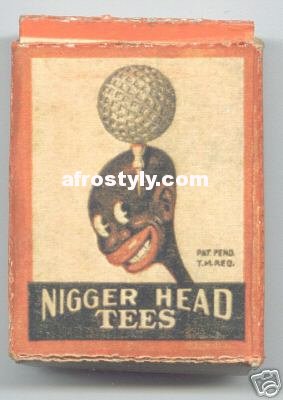
Untold decades ago, someone decided to name a hunting camp in West Texas “Niggerhead,” using a phrase so commonplace around the South that it was used as a brand name for oysters, soap, tobacco and even golf tees. When Gov. Rick Perry’s family took over the lease for the camp in 1983, it could have demanded that the name be changed. It could have destroyed the rock on which the name was painted. It could have broken with an era when vicious racism was so casual that officials put such a word on maps around the country.Texas...A welcome sign at the entrance of Throckmorton, the county seat. The Perry family's longtime hunting camp is situated on a vast, 42,000-acre ranch that reaches into Throckmorton and two other counties
Instead, Mr. Perry’s father simply painted over the name, although not very thoroughly. The Washington Post found several people who said the word was clearly visible just in the last few years. Now that the hunting camp has become part of the presidential campaign, the governor says the name “has no place in the modern world.” In that, he is certainly right.
The more common attitude expressed by some of his neighbors is that the name is a mere historical artifact, nothing to see here. “It’s just a name,” David Davis, a county judge in the area, told The Post. “There was no significance other than as a hunting deal.” It is that supposed lack of significance to the Perry family — and far too much of the nation — that is so disturbing.
Virtually all states, particularly in the South, have had creeks, hills and hamlets bearing this offensive epithet. Someone may have decided a rock outcropping resembled an African jaw. Nigger Skull Mountain, as one spot in North Carolina was known until just a decade ago, was apparently named for the remains of two blacks who froze to death on it sometime around the Civil War. The place names were given with the same nonchalance as blacks were openly referred to as niggers.
In 1962, the federal government changed all such place names under its jurisdiction to “Negro.” Three or four decades later, states like Texas, Florida and North Carolina got the hint and did the same with state lands, though the results were often not much better. Negro Skull Mountain is hardly an improvement, and neither are Colored Mountain orDead Negro Draw, both in Texas.
On private land, and in common parlance, these offensive names often continue, surviving a century of social change, lasting through Reconstruction, world wars, the civil rights movement, right up until the current moment, when the word has added new doubts to Mr. Perry’s staggering political campaign. However much paint was actually applied to Mr. Perry’s rock, it was not enough to wipe away the memory of a national shame.
Wednesday, September 21, 2011
Chronicling Black Lives in Colonial New England / The Christian Science Monitor - CSMonitor.com
Chronicling Black Lives in Colonial New England / The Christian Science Monitor - CSMonitor.com
BOSTON
Young, talented, and bursting with entrepreneurial spirit, Samuel Gipson started his own business. By his early 30s, he was doing well enough to take in a young clerk to whom he bequeathed his estate.
This American success story would be unremarkable but for three salient facts: The year was 1795, Gipson spent much of his life enslaved in New England, and his heir was the son of the man who had owned him.
Stories like Gipson's, recounted in William Piersen's book, "Black Yankees: The Development of an Afro-American Sub-culture in Eighteenth-century New England" (University of Massachusetts Press, 1988), are coming to light as historians, archaeologists, and dedicated individuals piece together an increasingly complete picture of life in the Colonial Northeastern states. They chronicle the contributions of enslaved and free Africans to the development of such cities as New York and to the culture of Colonial New England.
In the process, they are shattering the myth that New England was always and solely a hotbed of abolitionist sentiment and activism. "People are still surprised to learn that there was slavery in New England," says archaeologist Constance Crosby, a preservation planner with the Massachusetts Historical Commission.
BOSTON
Young, talented, and bursting with entrepreneurial spirit, Samuel Gipson started his own business. By his early 30s, he was doing well enough to take in a young clerk to whom he bequeathed his estate.
This American success story would be unremarkable but for three salient facts: The year was 1795, Gipson spent much of his life enslaved in New England, and his heir was the son of the man who had owned him.
Stories like Gipson's, recounted in William Piersen's book, "Black Yankees: The Development of an Afro-American Sub-culture in Eighteenth-century New England" (University of Massachusetts Press, 1988), are coming to light as historians, archaeologists, and dedicated individuals piece together an increasingly complete picture of life in the Colonial Northeastern states. They chronicle the contributions of enslaved and free Africans to the development of such cities as New York and to the culture of Colonial New England.
In the process, they are shattering the myth that New England was always and solely a hotbed of abolitionist sentiment and activism. "People are still surprised to learn that there was slavery in New England," says archaeologist Constance Crosby, a preservation planner with the Massachusetts Historical Commission.
Monday, September 19, 2011


Tuesday, August 23, 2011
Wednesday, August 17, 2011
Thursday, August 4, 2011
The Grio speaks well
Why conservatives ♥ celebrating the Confederacy
8:52 AM on 08/01/2011 |
States rights and big government bias were all code words and phrases that pandered to the latent racial bigotry that is the solid underpinning of the enshrinement of Confederates by conservative southern whites.
The GOP has served ample notice that it intends to do whatever it takes to fulfill its oft repeated vow to make President Obama a one term president. The shock troops of the Tea Party are not enough to make that happen. Though it was telling that a year ago officials from the Sons of Confederate Veterans in Virginia and Mississippi argued that the Confederate Army fought for the same things that the Tea Party is fighting for. Still the GOP will need the electoral votes of a unified, conservative white South now more than ever to oust Obama.
Governor Scott and probably one or two or more Southern GOP governors will figure out a way to pull the Confederate card out of the deck again and drop it on the political table before the national presidential election dust settles.
The Confederate card will serve the same function that it always has and that's to send the strong message that the white South doesn't just love its dead Confederate heroes. It loathes a moderate Democratic president and will do its bit to get him out of the White House. In other words, the South won't rise again. It never fell. Scott's and Florida's tout of six Confederate military vets is eternal proof of that.
Monday, July 25, 2011
A Way with Words....
A sharply divided Congress pursued rival budget plans on Monday that appeared unlikely to win broad support, pushing the United States closer to a ratings downgrade and debt default that would send shockwaves through global markets.

Financial markets were uneasy in Asia and Europe on Monday about the prospect of a first-ever
Subscribe to:
Posts (Atom)